
Show summary Hide summary
- Why the island tale captured global attention
- Who William Banks is and his history with staged narratives
- Technical and storytelling inconsistencies that raise doubts
- Elements that make the story convincing
- How social media shaped the saga
- Clues to watch if you want to follow this story responsibly
- Possible directions this saga could take
A curious narrative has been unfolding online: a man named William Banks says he is stranded on a remote island off Argentina. His posts have spread quickly across platforms, mixing vivid imagery, short videos and cryptic updates. The story reads like a survival drama, but plenty of clues make many viewers pause and wonder whether this is performance art, a social experiment, or something else entirely.
Why the island tale captured global attention
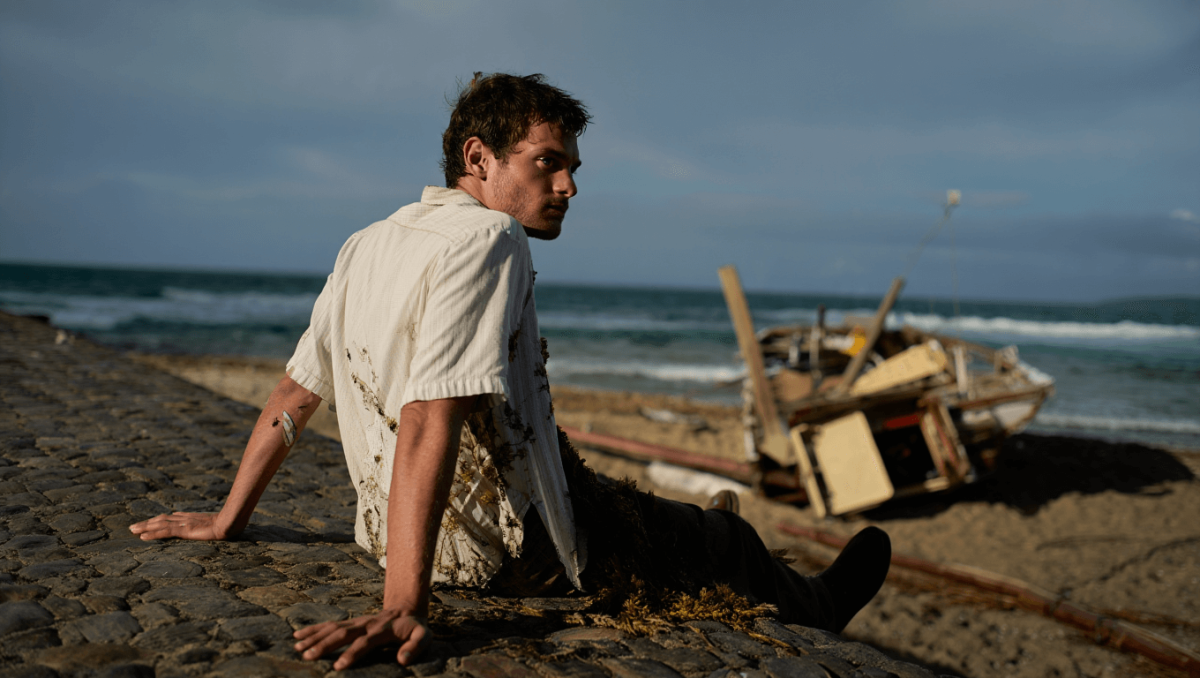
Short, dramatic updates and compelling visuals pulled people in fast. Clips showing burned skin, makeshift shelters, and small groups of people created a believable scene.
Hilary Swank’s husband Philip Schneider: inside the businessman behind the star
Polska pregnant and betrayed by a close friend: she is very, very shocked
- Content first surfaced in mid-October and gained traction within days.
- Posts were shared widely on Twitter and other platforms.
- Viewers reacted emotionally, split between concern and curiosity.
Who William Banks is and his history with staged narratives
William Banks is known in creative circles in Brooklyn. He builds immersive stories that blur fiction and reality. He identifies as a method actor who crafts prolonged, viral sagas.
His prior projects followed a similar pattern: long-running narratives, polished production values, and eventual reveals that pointed to performance rather than real-life crises.
Technical and storytelling inconsistencies that raise doubts
Signals, batteries and logistics
- The account claims sustained phone power and intermittent signal while on a remote island.
- Sustained posting across weeks from an allegedly castaway location seems unlikely without support.
Production clues in the footage
- High-quality frames and edited sequences suggest planning and equipment.
- Multiple participants appear coordinated in costume and behavior.
These mismatches between the claim of being stranded and the evidence shared are key reasons skeptics question the narrative.
Elements that make the story convincing
Despite doubts, the material contains realistic touches that help it feel authentic.
- Visible sunburn and rough clothing add physical realism.
- Emotional short clips and interpersonal conflict mimic real survival tension.
- Consistent dates and a developing timeline give the saga a documentary feel.
How social media shaped the saga
Reactions ranged from alarm to applause. Some users treated it like a genuine emergency. Others framed it as performance art and spread theories.
- Influential accounts amplified the posts, driving virality.
- Comment threads produced rapid speculation about motive and authorship.
- Fact-checkers and journalists began to look for verifiable location data.
Clues to watch if you want to follow this story responsibly
If you’re curious, consider a few practical checks rather than accepting posts at face value.
- Look for official statements or credits indicating a production.
- Search for past projects by the same creator to spot patterns.
- Check metadata, time stamps, and corroborating eyewitness material.
- Follow trusted news outlets that verify claims before amplifying them.
Possible directions this saga could take
The story may reveal itself in several ways. It could be disclosed as an art piece, continue as an open-ended narrative, or prompt investigations if people raise safety concerns.
Either way, the episode is a reminder of how modern storytelling can blend performance and reality. Audience reactions now play a major role in shaping the next chapter.










