
Show summary Hide summary
The debate around comedian Ary Abittan has been reignited after a judge issued a non-lieu in a high-profile sexual assault investigation. The decision has polarized public opinion, sparked disruptive protests and prompted a personal response from former Miss France Laury Thilleman, who says she was forcibly kissed by Abittan 14 years ago.
How the court decision put Abittan back in the spotlight
The recent legal outcome cleared Ary Abittan of criminal charges in this case, but it did not end the controversy. For many, the non-lieu raised questions about justice and public scrutiny.
Hilary Swank’s husband Philip Schneider: inside the businessman behind the star
Polska pregnant and betrayed by a close friend: she is very, very shocked
- Street-level reactions: Activists from the Nous Toutes collective interrupted one of his shows.
- Protest tactics: Demonstrators entered the theater wearing masks depicting Abittan and shouted accusations.
- Division in public opinion: Some praised the activists for confronting a public figure. Others called the action disruptive and unfair.
Backstage remarks that fueled criticism
The uproar grew after comments made backstage at one of Abittan’s performances. A prominent attendee expressed strong words of support for the comedian.
Those remarks were shared widely online and ignited fresh debate. For many observers, the tone suggested a dismissal of the protesters’ concerns.
Public reaction was swift. Critics argued the comments minimized the experience of alleged victims. Supporters said the attendee was defending the performer against harassment.
Laury Thilleman speaks out about the incident
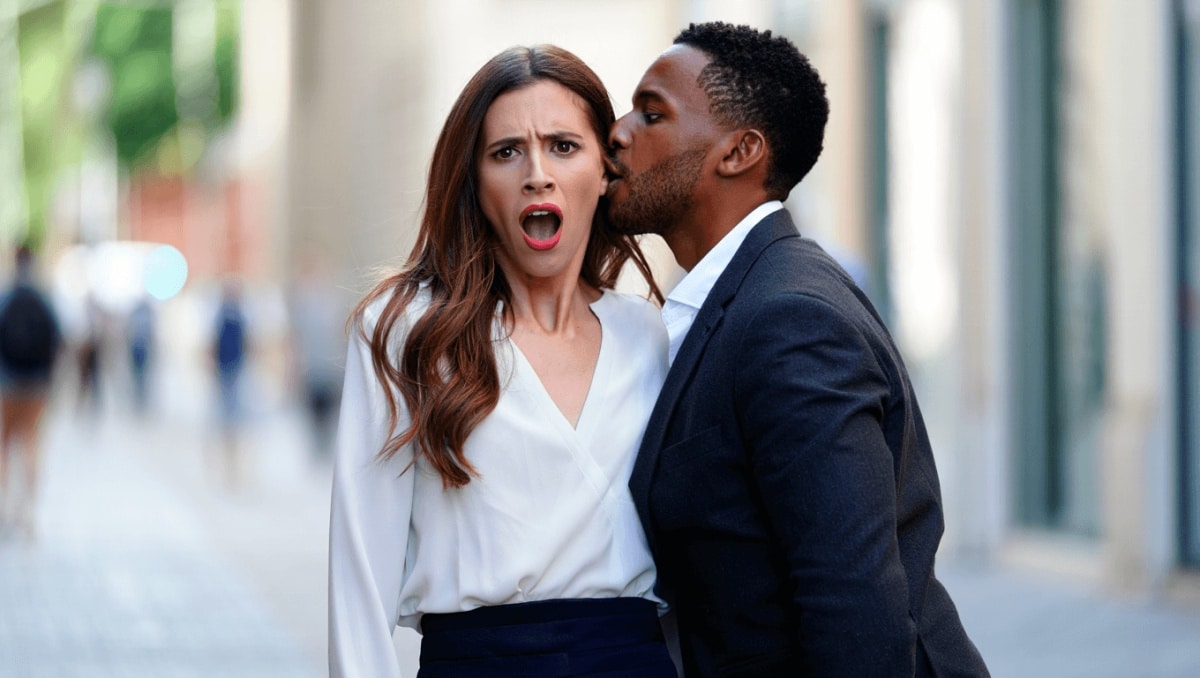
In the midst of the controversy, Laury Thilleman published a statement on Instagram. She described an incident on a television set where she was kissed without consent.
Her account in brief
- She revisited footage of the episode, filmed 14 years ago.
- At the time she was 20; she says she is now 34 and still feels the impact.
- She reports feelings of humiliation, objectification and powerlessness.
- She explains she laughed in the moment to hide her discomfort.
- She says she did not speak up then because of shame and unfamiliarity with conversations about consent.
Trauma, consent and the decision to break silence
Thilleman framed her testimony as part of a larger conversation on consent and accountability. She underlined that the emotional wound remains open.
“The trauma is still there,” she wrote, emphasizing how the past event continues to affect her life.
She also noted the cultural context. Consent was less discussed publicly 14 years ago, she said, and that silence made it harder to act.
Why her statement matters now
Footage of the original incident resurfaced after the recent backlash to the backstage remarks. For Thilleman, seeing those images again reopened old wounds.
Her choice to speak was motivated by solidarity. She framed her voice as one among many who could not be heard.
- Visibility: Her name draws media attention and reshapes the story.
- Support for others: She said she speaks for those who felt they had no outlet.
- Public debate: The revelation has deepened discussions about how society handles allegations involving celebrities.
Reactions continue to ripple across social and cultural spheres
The controversy touches on several hot-button issues: the legal threshold for prosecution, the role of protest in theaters, and how public figures respond to accusations.
As the story unfolds, reactions remain split between calls for accountability and defenses of due process. The resurfacing of old footage and a high-profile statement have ensured the debate will continue in public forums and on social media.










