
Show summary Hide summary
A viral report about a family allegedly boarding a commercial flight with a deceased relative sparked a surge of questions: what exactly happens when a passenger dies mid-flight? Air travel operators and airport mortuary teams follow set procedures to preserve dignity, maintain safety and manage logistics. The handling combines medical protocol, crew training and behind-the-scenes coordination with coroners and ground services.
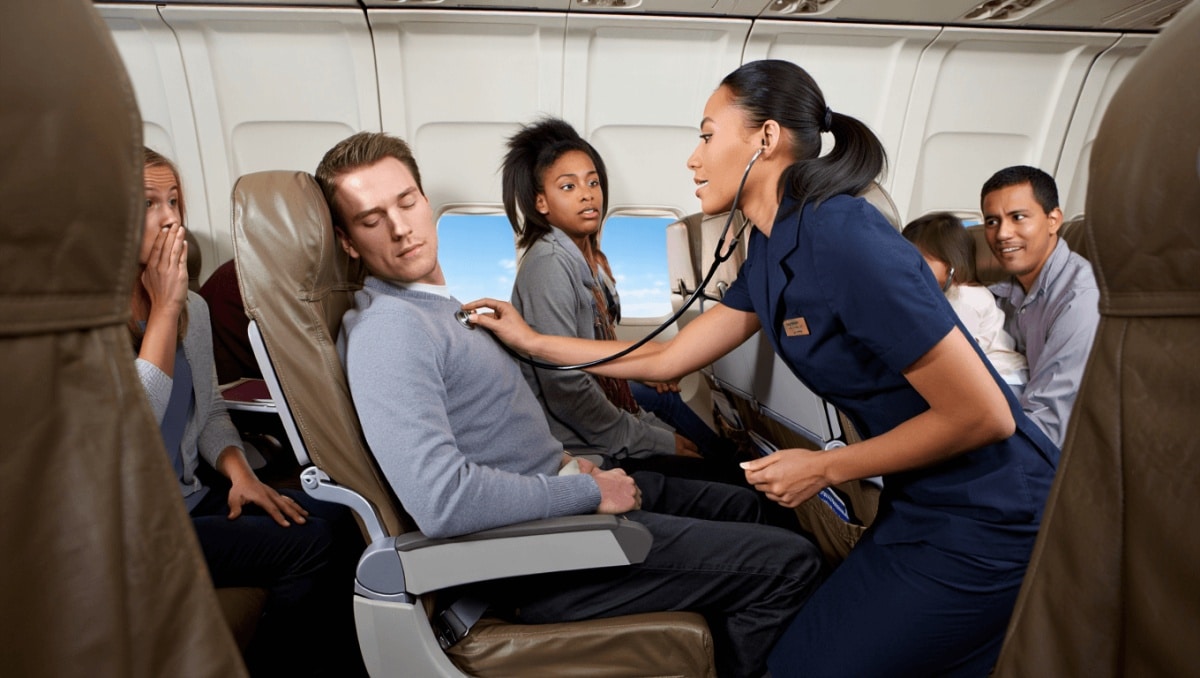
Immediate actions by cabin crew when a passenger collapses
When a medical emergency becomes a death on board, flight attendants follow a clear, practiced routine. Their priorities are passenger safety, medical assessment and respecting the affected person and their companions.
Hilary Swank’s husband Philip Schneider: inside the businessman behind the star
Polska pregnant and betrayed by a close friend: she is very, very shocked
- Assess the situation and call for any medically trained passengers to assist.
- If the collapse appears sudden, the crew must attempt resuscitation. Legal and airline rules often require CPR until a medical professional declares otherwise.
- If resuscitation is clearly inappropriate because death is apparent, the crew shifts to preserving dignity and privacy.
- Close communication with the flight deck ensures the captain can decide whether diversion is needed.
How the deceased are positioned and shielded from view
Cabin staff usually move the person to reduce distress among other travelers. Modern practice avoids lavatories because of space and handling limits. Instead, crews often lay the body across a row of seats.
- Blankets are used to cover the body and to create a screen by tucking them into overhead bins.
- Seat rows may be cordoned off to give relatives privacy and to keep the scene discreet.
- Crew members provide emotional support to family and manage passenger questions in a calm manner.
When an emergency landing happens — and when it doesn’t
Decisions about diversions hinge on medical advice, aircraft position and flight safety. Not every in-flight death triggers an unscheduled landing.
- If there is any chance of recovery or ongoing cardiac arrest, crews will continue CPR and the captain may divert for immediate medical care.
- If the death is from natural causes and there is no need for urgent intervention, flights often continue to their destination.
- Airlines balance passenger welfare, safety and operational feasibility when making those calls.
What ground teams do after landing
Once the aircraft touches down and passengers leave, specialized airport teams take over. Mortuary staff and a coroner or equivalent official board the plane to manage removal and investigation.
- The coroner evaluates the circumstances to determine cause of death.
- The deceased is generally placed into a body bag for transport.
- Removal often occurs through a rear or service exit to minimize public exposure.
- A dedicated vehicle transfers the body directly from the aircraft to an on-site morgue.
Behind-the-scenes: airport morgues and logistics
Major airports maintain mortuary facilities that connect to the airside. Staff move the body into secure storage, process documents and liaise with relatives, embassies and funeral directors.
- Documentation and cause-of-death paperwork are prepared by coroners or medical examiners.
- If repatriation is needed, coordination with consulates and airlines begins immediately.
- Sometimes the body must be prepared for transfer to another country, which adds legal and logistical steps.
Support for family members and practical considerations
Crew members also manage the emotional fallout. They offer blankets, space away from other passengers and contact ground staff to assist upon arrival. Airlines have protocols to help relatives with next steps.
- Allocation of seats and care for grieving passengers while in flight.
- Notification of ground services to meet the aircraft with appropriate officials and support.
- Follow-up assistance for paperwork, repatriation and liaison with funeral services.
Why some earlier practices changed
Former cabin crew and aviation workers note that placing incapacitated passengers in lavatories used to happen. That changed because of practical complications with moving bodies and later transport needs. Now crews prioritize methods that allow for dignified removal and easier handover to ground teams.










