
Show summary Hide summary
- Death announced by Fondation Brigitte Bardot: key facts
- How a teenager from Paris became a global screen icon
- Films and milestones that defined Bardot’s career
- Turning away from cinema to devote herself to animal causes
- Political positions and controversies that shaped public debate
- Late interviews, reflections on life and death, and final public moments
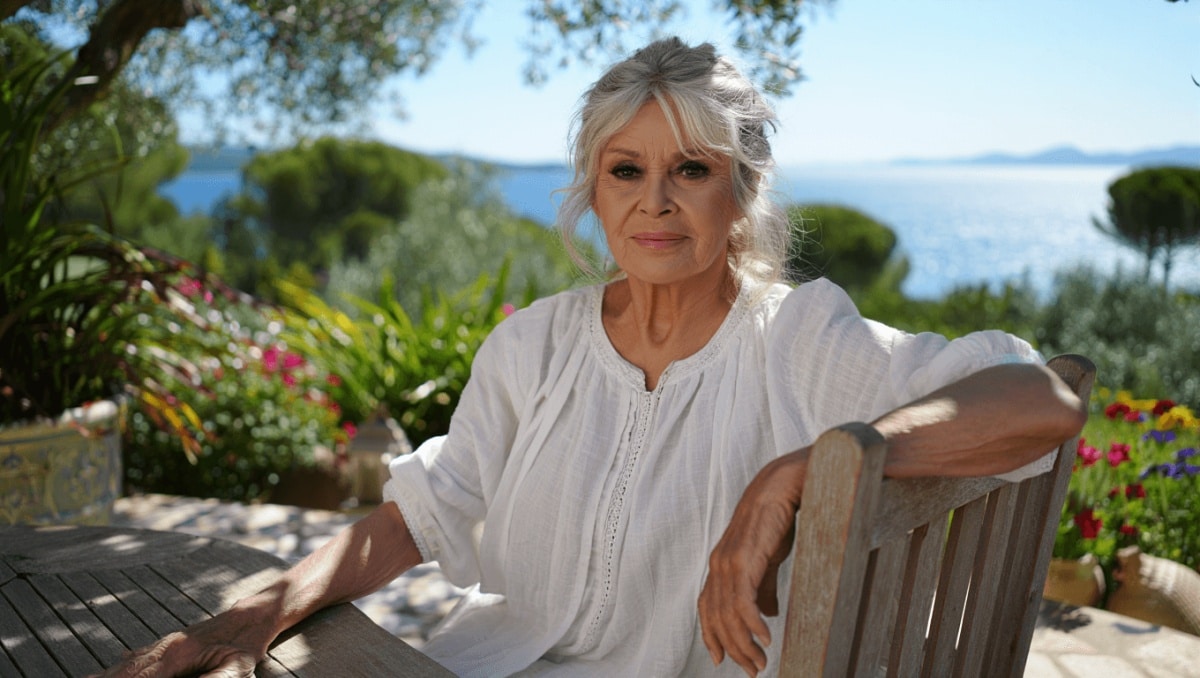
Brigitte Bardot, one of French cinema’s most recognisable faces, has died at 91. Her foundation confirmed the news on 28 December 2025. The actress-turned-activist spent her final years at La Madrague in Saint-Tropez, where she passed away surrounded by the world that helped shape her legend.
Death announced by Fondation Brigitte Bardot: key facts
The Fondation Brigitte Bardot issued a statement on the day of her death, notifying the press that the actress had passed away on 28 December 2025. She had celebrated her 91st birthday on 28 September. The property at La Madrague in Saint-Tropez was long associated with her private life and final years.
Hilary Swank’s husband Philip Schneider: inside the businessman behind the star
Polska pregnant and betrayed by a close friend: she is very, very shocked
How a teenager from Paris became a global screen icon
Born in 1934 into a conservative family, Bardot first trained in ballet. A cover shoot for the magazine Elle at 15 brought her to the attention of film-makers.
- Discovered by Marc Allégret, her early work included supporting parts in French and Italian productions.
- Her life changed when Roger Vadim cast her as the lead in Et Dieu… créa la femme (1956).
- The film propelled her to international fame and marked her as a cultural symbol of sexual freedom.
Across a little more than two decades she appeared in many notable films. Critics and audiences often described her as a global sex symbol, though Bardot herself resisted simple labels.
Films and milestones that defined Bardot’s career
Her filmography touches several major directors and genres. She moved from costume dramas to modern provocations, seeking roles that challenged public expectations.
- Et Dieu… créa la femme (1956) — the breakout role directed by Roger Vadim.
- La Vérité (1960) — Henri-Georges Clouzot’s drama that drew millions of viewers.
- Vie privée (1962) — Louis Malle’s film echoing the pressures of fame.
- Le Mépris (1963) — Jean-Luc Godard’s celebrated work.
- Viva Maria! (1965) — a box-office success with Jeanne Moreau.
Bardot spoke openly about the rigours of acting and how certain shoots exhausted her. Yet she also praised collaborators who drew out powerful performances, calling some projects the high points of her screen life.
Turning away from cinema to devote herself to animal causes
By the mid-1970s she felt the industry no longer fit her life. In 1975 she chose to step back from acting and refocus her energy.
She founded the Fondation Brigitte Bardot and made animal protection the center of her public mission. Her activism included campaigns against seal hunting and other practices she considered cruel. The foundation became the primary outlet for her later years.
Political positions and controversies that shaped public debate
Bardot’s outspoken opinions on immigration, religion and sexuality sparked repeated controversy. From the 1990s onward she publicly aligned with positions some described as sympathetic to the far right.
- She married Bernard d’Ormale, known as an adviser linked to Jean-Marie Le Pen, in 1993.
- Her 2003 book contained sharp critiques of immigration and ritual slaughter practices, prompting legal action.
- In 2004 she was fined for comments deemed discriminatory against Muslims and immigrants.
- Other remarks attacking gay people and making harsh cultural judgments damaged her broader reputation.
These episodes created a complicated legacy: widely admired for her early work and for animal advocacy, yet divisive for her political stances.
Late interviews, reflections on life and death, and final public moments
In the years before her passing Bardot granted a few interviews from her home in Saint-Tropez. She remained determined to defend animal rights and unafraid to express controversial views.
In 2025 she spoke with media about mortality and the causes she championed. She insisted she did not fear death and continued to use her voice to influence public debates until her final months.
Public reaction and what to expect next
News of her passing triggered immediate responses from fans, cultural institutions and political figures. Tributes and critiques arrived almost simultaneously, reflecting the many sides of a complex public figure.
- Institutions celebrating French cinema highlighted her influence on screen style and celebrity culture.
- Animal welfare groups praised her decades-long campaigning.
- Commentators revisited debates about her statements and legal convictions.










