
Show summary Hide summary
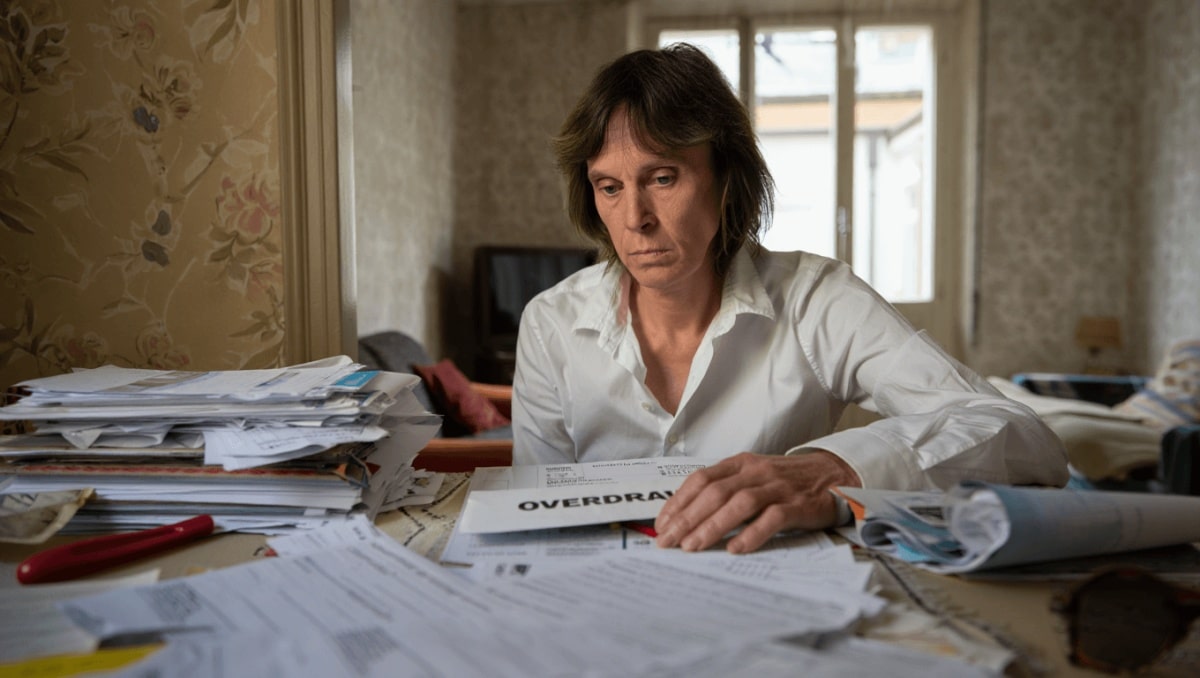
Lio has surprised many by speaking openly about money troubles. The singer, a pop star since the early 1980s, now says her bank account is regularly overdrawn. Her confession raises questions about fame, poor financial planning and a life rebuilt amid personal tragedy.
How a pop breakthrough didn’t guarantee financial security
She rose to fame at 17 with the smash hit Le Banana Split. The single sold millions and launched a string of hits. Songs like Amoureux solitaires and Les brunes ne comptent pas pour des prunes kept her in the public eye.
Hilary Swank’s husband Philip Schneider: inside the businessman behind the star
Polska pregnant and betrayed by a close friend: she is very, very shocked
Lio also moved into acting and television. Over decades she appeared in films, series and many TV shows. Yet commercial success did not translate into lasting financial comfort. She admits today that money remains a daily concern.
Public admissions about money mistakes and lifestyle
In interviews across the years, Lio has described her financial choices with blunt honesty. She says early earnings were not saved. Instead, she spent freely, expecting hits to keep coming.
- Poor early planning — she acknowledges not setting aside income when it mattered.
- Ongoing obligations — past debts, bailiff fees and administrative reminders still land in her mailbox.
- Permanent overdraft — she describes living with an authorized overdraft as a routine.
Her message is plain: fame and record sales did not prevent financial slips. She frames her overdraft as a practical response to repeated tax and creditor pressure.
Why she says overdraft became a coping method
Lio explains that, after years of chasing deadlines and dealing with tax notices, keeping a small negative balance became an accepted norm. She likens the arrangement to a system that avoids sudden shocks.
She has described the overdraft as institutionalized and part of everyday financial management.
For her, being a few euros over each month is safer than risking larger problems. Her tone when she speaks about this mixes irony and resignation. She still calls financial security something she pursues but has not yet found.
Money, gender dynamics and relationships
Beyond numbers, Lio discusses how income shaped her love life. She says some men struggled with a partner who earned more. That dynamic, she believes, hurt relationships.
Her experience, she says, was often misread by suitors who felt threatened by her success. The result was distance, judgement and sometimes reputational attacks. This theme connects her public life with private costs.
Personal relationships tied to finance
- She reunited with a banker named Jean-Pierre in 2001.
- The couple had a son, Diego, in 2003.
- Her family life was later rocked by a sudden and tragic loss.
Tragedy, work and the pressure to perform
In March 2025, Lio’s youngest son, Diego, died by suicide. The loss devastated the family. Less than a week later she returned to the stage. The comeback drew sharp criticism.
Some saw the quick return as a need for financial income. Others suggested it was a way to cope with grief. Lio’s choice shows how personal grief and professional obligations can collide.
What keeps her talking about money
She continues to speak publicly about finances because she believes transparency matters. Her interviews aim to dismantle myths about celebrity wealth. Fame, she reminds listeners, does not equal perpetual comfort.
She also uses these moments to highlight two realities:
- Long careers do not erase past financial mistakes.
- Emotional burdens often intersect with economic pressure.
By sharing her story, she gives a candid portrait of how a long career in music and television can still leave someone struggling with basic financial stability.










