
Show summary Hide summary
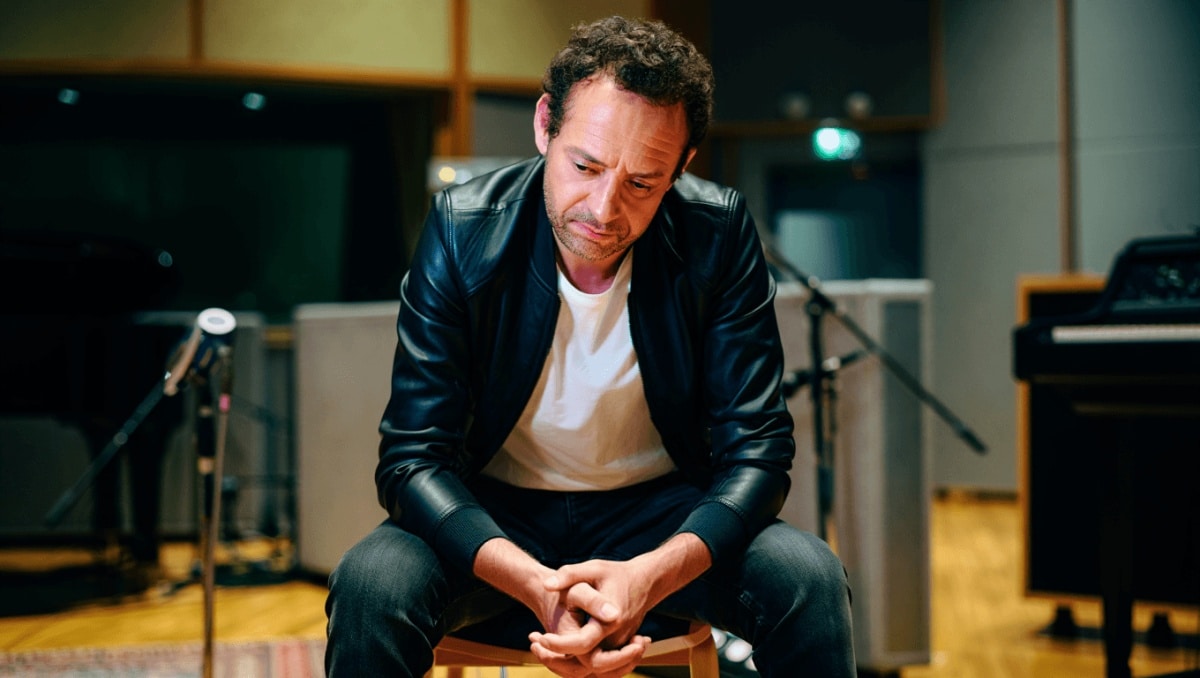
Slimane returned to the spotlight in December with a new studio record that arrived after a turbulent year. The singer admits the project was born of reluctance, pressure and the steady support of those around him. His testimony, given recently on a podcast, reveals how the album emerged despite personal and professional storms.
Why “Il faut que tu saches” marks a turning point for Slimane
The album, released last December, did not come from a place of ease. Slimane recounts a period when he doubted his career and almost gave up music. Fans and collaborators, however, helped pull him back.
Hilary Swank’s husband Philip Schneider: inside the businessman behind the star
Polska pregnant and betrayed by a close friend: she is very, very shocked
“It was the hardest thing I’ve ever written,” he said in conversation with a journalist. He explains he originally wanted to delay any new release and take time to regroup.
Legal trouble and its impact on his public life
Last year, the artist faced serious allegations from two former technicians. Those complaints led to a legal sanction in September: a fine totaling €10,000, including €3,000 suspended.
These events reshaped his media presence. Television invitations dwindled, even as he appeared in a special trailer celebrating 15 years of The Voice. The contrast underlines how complicated his public image became.
Open conversation: the podcast that revealed the story
Slimane agreed to speak on the podcast Ouvre ton jeu, hosted by Marie-Claude Barrette. He used the platform to discuss the creative process and the emotional toll of recent months.
- He shared that writing and finishing the album felt like a struggle.
- He acknowledged needing time to “find himself” before returning to the studio.
- He thanked fans for their support, which played a role in his comeback.
How his team coaxed him back into creating music
Those closest to him noticed a growing reluctance to make music. Team members repeatedly encouraged him to “go back to the studio” and to give it another chance.
From doubt to delivery
He eventually listened. Studio sessions resumed and the record took shape, but not without struggle. Slimane describes the process as grueling and emotionally charged.
The album did not emerge from joy alone; it was an arduous birth, he said, using imagery that evoked labor and endurance more than celebration.
What the album says about recovery and resilience
Beyond the headlines, the songs reflect a man in recovery. Lyrics and tone suggest introspection and attempts at repair. The record functions as both confession and catharsis.
- Personal themes: questioning, solitude, rebuilding.
- Musical choices: intimate arrangements and raw vocal moments.
- Audience response: a mix of loyalty and cautious curiosity.










