
Show summary Hide summary
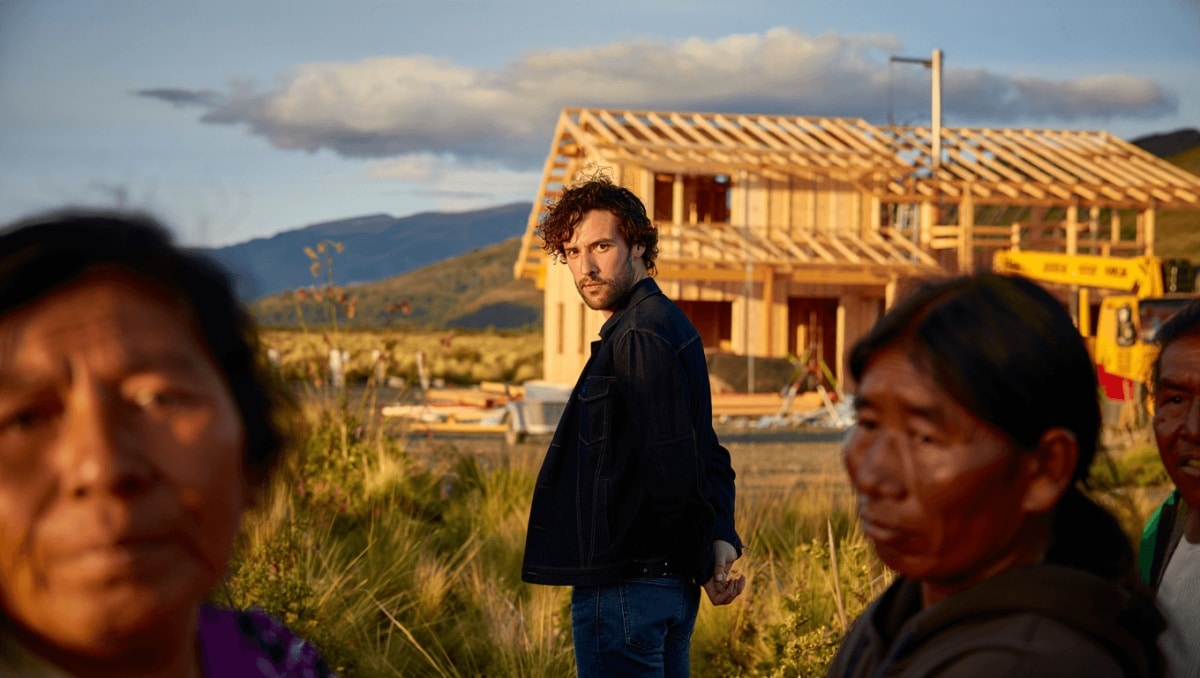
Florent Pagny, long a familiar face on French television, now finds himself at the center of a dispute far from Paris. Residents and indigenous leaders in Patagonia accuse the singer of building on land they consider sacred, sparking complaints and renewed debate about land rights, heritage and respect for native traditions.
Why Mapuche leaders say the site is sacred and why they object
The Mapuche community claims the area where Pagny settled has long been reserved for rituals and spiritual practices. Locals say the land is tied to water sources and ancestral ceremonies.
Hilary Swank’s husband Philip Schneider: inside the businessman behind the star
Polska pregnant and betrayed by a close friend: she is very, very shocked
- Spiritual value: The site is described as a ceremonial place that should remain untouched.
- Environmental concern: Indigenous voices emphasize the protection of water systems linked to the territory.
- Access denied: According to activists, Mapuche groups were not allowed to use the location for ceremonies for many years.
- Legal action: Complaints have been filed by community members objecting to construction on the ground.
Moira Millán’s critique: patterns of colonial behavior, not just a local quarrel
Moira Millán, a Mapuche writer and rights activist, framed the controversy as more than a property dispute. She reproached a mindset she sees as colonial: outsiders arriving in distant territories and imposing their projects.
Millán argued that some newcomers display arrogance rather than curiosity. She urged those who move into indigenous regions to listen first and recognize original cultures.
Her key points in brief
- Settlers may deny the existence and value of native traditions.
- Imported lifestyles can unintentionally replace local practices.
- Dialogue and mutual recognition are essential before altering sacred spaces.
Pagny’s long stay in Patagonia and the wider implications
Florent Pagny has lived in Patagonia for nearly two decades with his wife, Azucena Caamaño. His decision to build on a scenic plot attracted attention because of his public profile.
The situation raises broader questions about celebrity land ownership, the protection of indigenous heritage, and how to balance private property with communal rights.
Possible consequences and public reactions
- Heightened media scrutiny of foreign residents in Patagonia.
- Increased pressure on authorities to enforce indigenous land protections.
- Calls for mediated talks between landowners and local communities.
- Renewed debates in France about how expatriates engage with host cultures.
What advocates are asking for now
Mapuche representatives and activists want clearer respect for sacred places and improved access to ceremonial sites. They also seek acknowledgement of past exclusions and steps toward reparative dialogue.
- Restored access to ceremony locations.
- Official recognition of the site’s cultural and environmental importance.
- Meaningful consultations before any further building occurs.










