Show summary Hide summary
- What she told viewers on TF1 and when it aired
- Medical diagnosis: cauda equina syndrome and repeated operations
- When walking stopped: the six-month turning point
- Emotional response and personal resilience
- Support system: family and long-time allies
- Daily life now: safety, precautions, and new routines
- Medical outlook: what doctors say and her expectations
- Her public image and the fight against prejudice
- Work and future projects: adapting ambitions
In a candid television interview, French actress Mimie Mathy revealed a sharp decline in her health that has upended her daily life. The 69-year-old star spoke with Audrey Crespo-Mara on TF1’s Sept à huit, sharing that spinal problems have left her unable to walk for months and forced a painful reassessment of her future.
What she told viewers on TF1 and when it aired
Judith Magre calls Gisèle Pelicot disgusting: backlash erupts
Meghan Markle and Prince Harry hold hands in Belgium: Brandy with daughter Sy’Rai, Rihanna and more
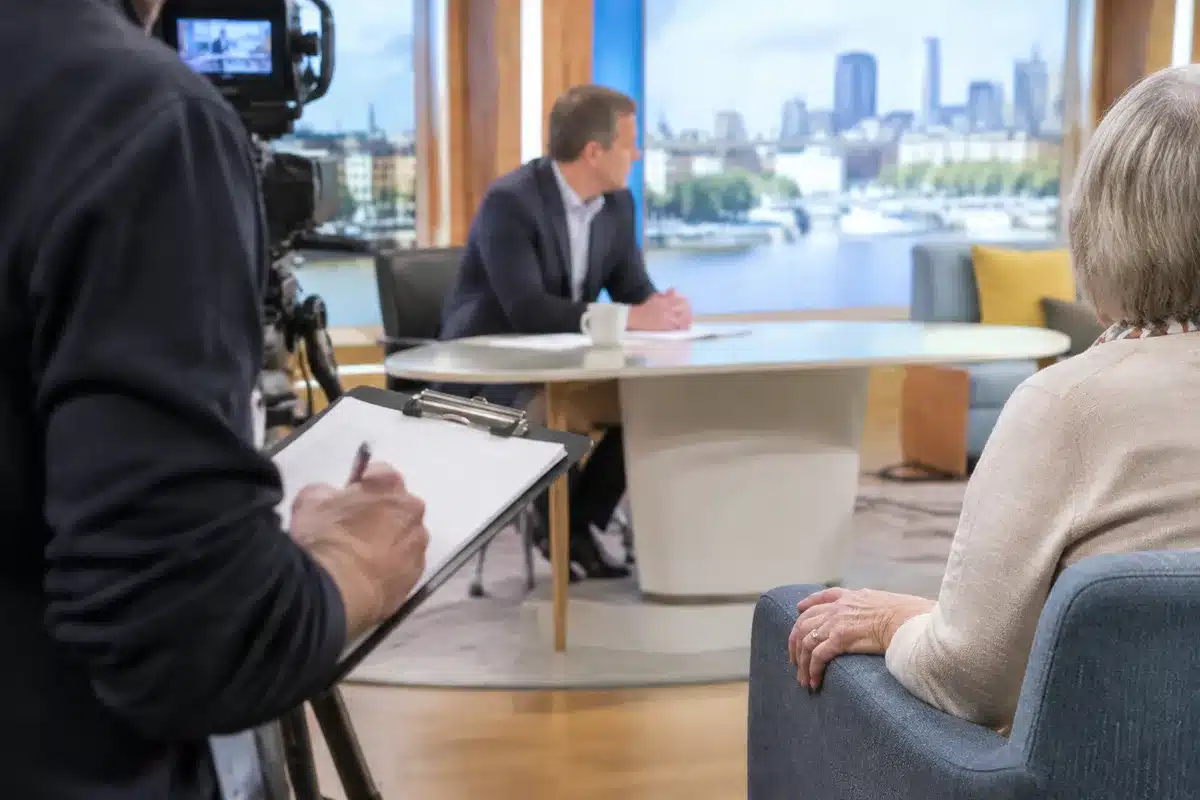
The interview was broadcast on Sunday, August 30th, during the program Sept à huit. Mimie Mathy spoke openly about the progression of her condition and the impact it has had on her independence and career. Her account blended personal memories with the medical realities she now faces.
Medical diagnosis: cauda equina syndrome and repeated operations
Doctors diagnosed her with cauda equina syndrome, a condition that affects the bundle of nerves at the base of the spine. Over the years she underwent several surgeries to relieve pressure on those nerves.
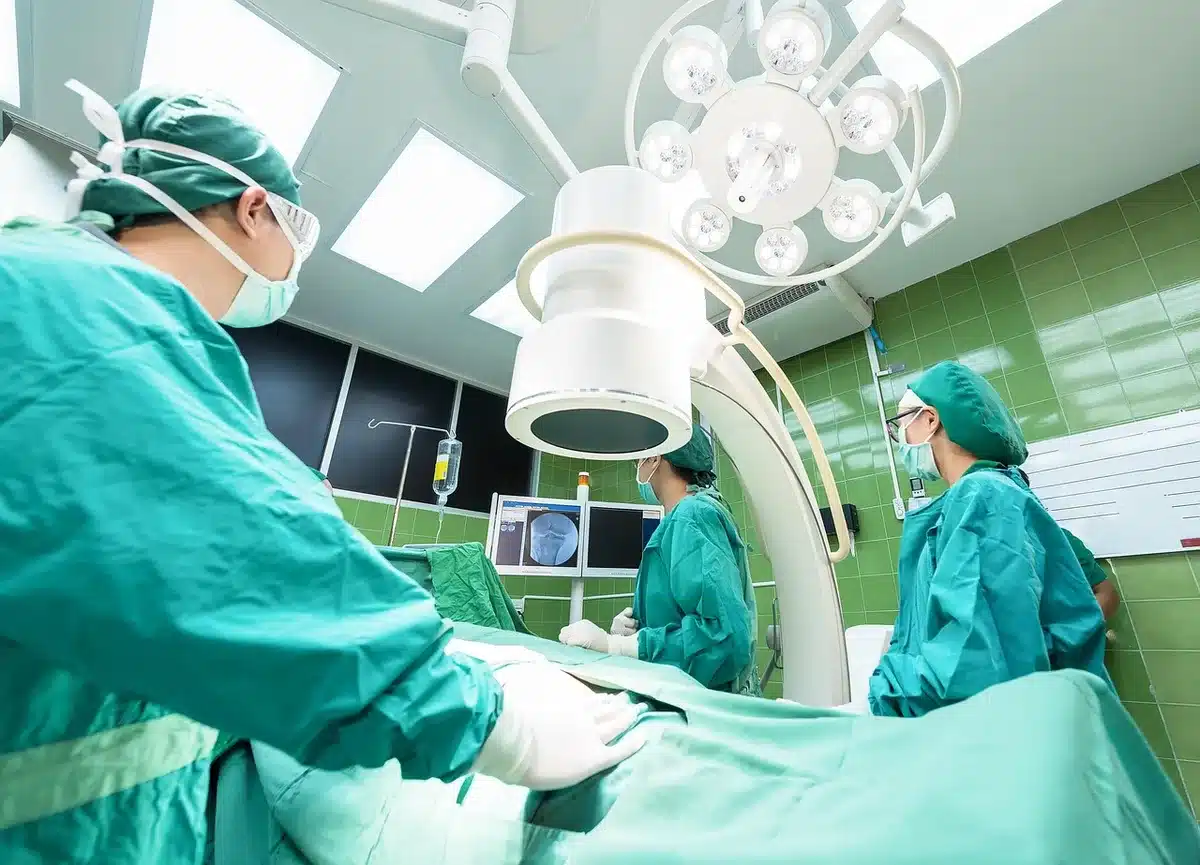
- Four surgical procedures were performed to widen the spinal canal and free trapped nerves.
- Despite past operations, surgeons now consider further intervention impossible.
- As a result, her mobility has deteriorated significantly.
When walking stopped: the six-month turning point
Mimie Mathy revealed that she has not been able to walk for six months. She said the decline began slowly, then accelerated. The situation has forced her to accept limitations she had not expected so soon.
Her reaction to the change
She admitted feeling shocked and frustrated. After a life spent fighting stereotypes related to her short stature, this new dependence has been a harsh blow. Still, she remains resilient and determined to adapt.
Emotional response and personal resilience
The actress spoke about the emotional toll of losing mobility. She described moments of anger and sadness, but also gratitude for those who have supported her. Her narrative mixes disappointment with a steady will to keep moving forward.
- She acknowledged a period of denial and slow acceptance.
- Anger emerged as part of her processing of the loss.
- She also highlighted lasting determination to continue living fully.
Support system: family and long-time allies
Mimie Mathy emphasized the role of loved ones in helping her adjust. She praised the constant presence of her husband, Benoist Gérard, and recalled professional mentors who have stood by her.
- Her husband provides daily assistance and emotional support.
- She named Philippe Bouvard among those she calls her “guardian angels.”
- Close friends and colleagues remain active in her life.
Daily life now: safety, precautions, and new routines
Practical changes have become part of her routine. She must avoid falls and take extra care in movement. Mobility aids and household adjustments help reduce risk and preserve autonomy where possible.
- Home modifications to prevent falls.
- Careful planning of activity to conserve energy.
- Reliable help for tasks that were once effortless.
Medical outlook: what doctors say and her expectations
Clinicians told her that, barring a miracle, walking again is unlikely. She acknowledged this reality with clear-eyed acceptance. While hopeful in spirit, she also trusts the medical assessments she received.
Physicians have confirmed that further surgery is not an option, and they consider the current prognosis definitive.
Her public image and the fight against prejudice
Mimie Mathy has long been a public figure who challenged stereotypes linked to her stature. That battle shaped her career and identity. Now she faces a different kind of stigma: dependence and vulnerability.
- Her past activism gave her tools for resilience.
- She continues to speak out about dignity and determination.
- The public response has mixed sympathy and admiration.
Work and future projects: adapting ambitions
Although mobility limits her, she has not closed the door on professional activity. Adaptations in filming and appearances are possible. Colleagues and producers can adjust schedules and settings to include her.
Her focus remains on staying active in ways that respect her health limits.