Show summary Hide summary
- Why choose a preferred source for Google Discover and Google News
- Step-by-step: How to add a preferred site on mobile and desktop
- How Google uses your preferred sources
- Ways to boost a source’s visibility in your feed
- Troubleshooting: When a preferred source doesn’t show up
- How to manage followed and preferred sources
- What makes a publisher a reliable choice for Google
- Privacy and personalization considerations
Want Google to surface articles from a website you trust? Telling Google which news sources you prefer can shape the stories you see in Google Discover and Google News. Below you’ll find clear steps, practical tips, and troubleshooting advice to help you add, manage, and ensure visibility from your chosen publishers.
Why choose a preferred source for Google Discover and Google News
Judith Magre calls Gisèle Pelicot disgusting: backlash erupts
Meghan Markle and Prince Harry hold hands in Belgium: Brandy with daughter Sy’Rai, Rihanna and more
Personalizing sources improves relevance. When you add a preferred site, Google is more likely to surface its articles in your feed. This helps you get trusted reporting and reduces noise.
- More relevant content: Your feed reflects the sites you trust.
- Faster access to updates: Breaking news from chosen outlets appears sooner.
- Better control over quality: You reduce low-quality or repetitive stories.
Step-by-step: How to add a preferred site on mobile and desktop
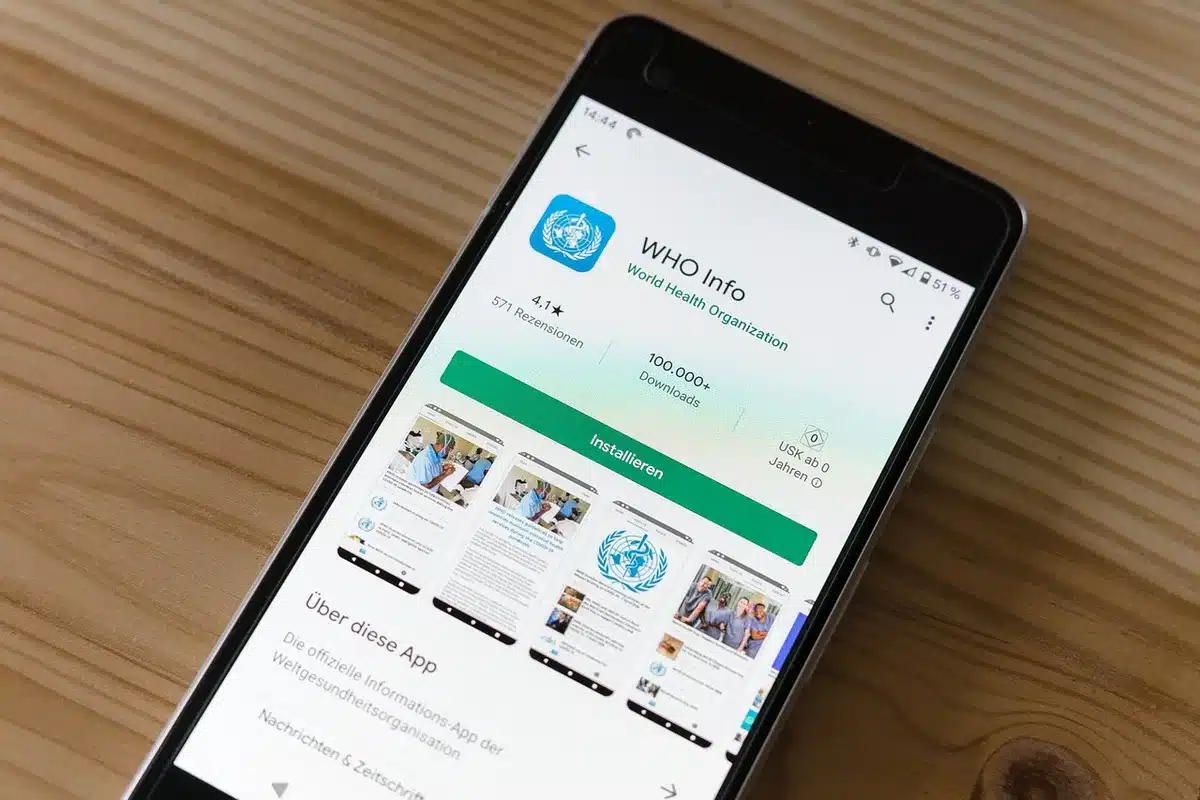
Add a preferred source using the Google app (Android or iOS)
- Open the Google app and make sure you are signed in.
- Search for the site or open an article from the publisher you want to prefer.
- Tap the three-dot menu on the article card or the publisher’s profile.
- Select “Follow” or “Add as a preferred source” if shown.
- Confirm your choice when prompted.
Add or follow sources in Google News (web or app)
- Visit news.google.com or open the Google News app.
- Search the publisher name or navigate to its topic page.
- Click or tap the “Follow” button next to the publisher’s title.
- Manage followed sources from the “Following” tab in the app or site.
How Google uses your preferred sources
Following a publisher signals your interest. Google uses that signal alongside location, search history, and topic preferences. It does not guarantee every article will appear, but it increases the chance of seeing stories from those publishers.
- Signals are combined with personalization settings.
- Local and topical relevance still matter.
- Some content may be filtered by policy or duplication rules.
Ways to boost a source’s visibility in your feed
- Follow the publisher: Use the Follow or Add button in Google News and the Google app.
- Interact with articles: Open, share, and save stories from the site to strengthen signals.
- Bookmark or add to home screen: Frequent visits reinforce your preference.
- Customize topics: Follow specific topics related to the publisher to get more focused coverage.
Troubleshooting: When a preferred source doesn’t show up
If you can’t add a site, or it won’t appear in your feed, check these common causes and fixes.
- Not eligible: Some publishers aren’t indexed or recognized by Google News.
- Region or language limits: Content availability can vary by country or language.
- Account or sync issues: Ensure you’re signed in and syncing across devices.
- App version: Update the Google app or clear app cache to refresh settings.
- Personalization settings: Review your Google Discover and ad personalization preferences.
How to manage followed and preferred sources
- Open Google News or the Google app.
- Go to the “Following” or “Sources” section.
- Unfollow any publisher you no longer want to see.
- Reorder or adjust topic follows to refine your feed.
What makes a publisher a reliable choice for Google
Google favors sites that follow journalistic best practices. Look for clear authorship, transparent corrections, and consistent publishing. Publishers using structured metadata and obeying Google’s Publisher Center guidelines are more likely to be surfaced.

- Authority and trust: Reputation and citations from other sites matter.
- Technical readiness: Proper indexing and valid schema help visibility.
- Freshness: Regular updates and timely reporting increase reach.
Privacy and personalization considerations
Your feed changes when you follow sources. Google uses stored preferences and activity to personalize results. If you prefer less personalization, adjust settings in your account or limit signed-in activity.
- Turn off Discover personalization to reduce tailored suggestions.
- Use browser or app controls to clear history and reset signals.
- Review privacy settings to see which data influences your feed.